:
1. Automated light control: By letting you program when the light comes on and off, you may save time and work while giving your hens consistency.
2. Energy efficiency: You may reduce your power costs by using a chicken coop light with a timer that uses a low-wattage bulb, which uses less energy.
3. Increased egg production: Light exposure encourages hens to produce eggs, and a regular lighting schedule guarantees a stable supply of eggs.
:
| 9W 18W 23W 25W | |
| 60CM 120CM 150CM | |
| 2600-2800K, 3900-4200K | |
| 120LM/W 140LM/W 160LM/W | |
| >90 | |
| >0.90 | |
| 180degree | |
| IP65 IP67 | |
| Aluminum Body+ PC cover | |
| Triac dimmable 220V AC or 110V AC, 0-10V Dimmable AC85-265V | |
| 50000 | |
| 5 years | |
| Epistar 2835 | |


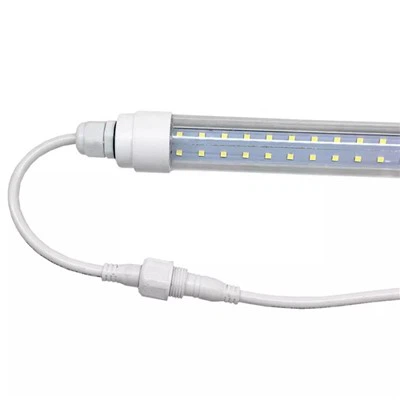
One modest but crucial component of any chicken coop is a lamp with a timer. This gadget has three parts: a power supply, a timer, and a lighting fixture. Usually, the light is a low-wattage bulb that illuminates the coop just enough to aid in egg laying and chicken navigation. By setting the timer, you may replicate the cycles of natural sunshine by having the light turn on and off at certain intervals.


A time-controlled chicken coop light may be installed in any size or shape of henhouse. It is especially helpful for urban coops, where there may not be as much natural light, or for coops located in places with extended darkness. The gadget keeps hens healthy and energetic, which helps sustain egg production throughout the winter months when sunshine is sparse.